The store will not work correctly when cookies are disabled.
Su navegador parece tener JavaScript deshabilitado.
Para la mejor experiencia en nuestro sitio, asegúrese de habilitar JavaScript en su navegador.
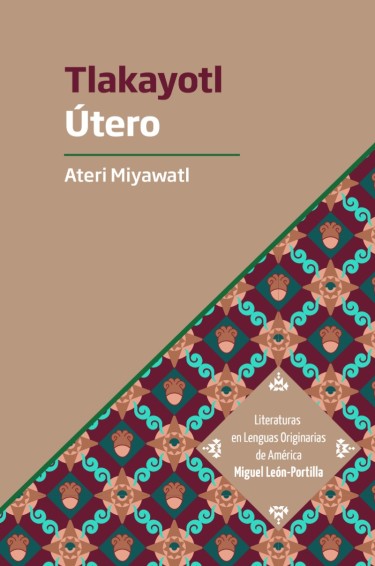
Tlakayotl. Útero
object(stdClass)#2307 (15) {
["noshare"]=>
bool(false)
["simehid"]=>
string(32) "e82184ea085b11cc43297c3987bf4010"
["role"]=>
string(3) "A01"
["roleonixlist"]=>
string(2) "17"
["name"]=>
string(14) "Ateri Miyawatl"
["nameinverted"]=>
string(15) "Miyawatl, Ateri"
["gender"]=>
string(1) "f"
["genderonixlist"]=>
string(3) "229"
["identifier"]=>
array(1) {
[0]=>
object(stdClass)#2474 (3) {
["type"]=>
NULL
["nametype"]=>
NULL
["value"]=>
NULL
}
}
["professionalaffiliation"]=>
array(1) {
[0]=>
object(stdClass)#2462 (1) {
["professionalposition"]=>
array(1) {
[0]=>
object(stdClass)#2464 (2) {
["value"]=>
NULL
["lang"]=>
string(3) "spa"
}
}
}
}
["prize"]=>
array(1) {
[0]=>
object(stdClass)#2463 (1) {
["name"]=>
array(1) {
[0]=>
object(stdClass)#2466 (2) {
["value"]=>
NULL
["lang"]=>
string(3) "spa"
}
}
}
}
["biography"]=>
array(1) {
[0]=>
object(stdClass)#2468 (2) {
["value"]=>
string(598) "Acatlán, Guerrero, 1988. De formación académica teatral, se ha involucrado en procesos editoriales, la escritura, la autoedición y los libro-objeto desde hace aproximadamente diez años. En 2018 obtuvo el Judges’ Award Choice por el libro-arte Neijmantototsintle (La tristeza es un ave) que conjunta la poesía con la ilustración y el cuidado editorial. Es gestora y editora de la colección “Originaria: mujeres que escriben fuera de la hegemonía”. Actualmente investiga los usos gramaticales en la literatura oral de su pueblo natal, es aprendiz de campesina y cría a Kiawitl.
"
["lang"]=>
string(3) "spa"
}
}
["website"]=>
array(1) {
[0]=>
object(stdClass)#2465 (3) {
["role"]=>
NULL
["roleonixlist"]=>
string(2) "73"
["link"]=>
NULL
}
}
["photo"]=>
object(stdClass)#2401 (5) {
["full"]=>
string(71) "https://admin.simeh.co/resources/image/e82184ea085b11cc43297c3987bf3c5c"
["large"]=>
string(77) "https://admin.simeh.co/resources/image/e82184ea085b11cc43297c3987bf3c5c/large"
["medium"]=>
string(78) "https://admin.simeh.co/resources/image/e82184ea085b11cc43297c3987bf3c5c/medium"
["small"]=>
string(77) "https://admin.simeh.co/resources/image/e82184ea085b11cc43297c3987bf3c5c/small"
["thumbnail"]=>
string(81) "https://admin.simeh.co/resources/image/e82184ea085b11cc43297c3987bf3c5c/thumbnail"
}
["label"]=>
object(Magento\Framework\Phrase)#2589 (2) {
["text":"Magento\Framework\Phrase":private]=>
string(6) "Author"
["arguments":"Magento\Framework\Phrase":private]=>
array(0) {
}
}
}
Autor(es)
Ateri Miyawatl
La poesía de Ateri Miyawatl es una palabra que da a la luz, que pare distintas maneras de vivir humana y literariamente en el mundo e invita a habitar un nuevo espacio tanto a los desconocedores como a los conocedores del nawatl. “No se vive dos veces sobre la tierra”, dice un famoso verso del cancionero novohispano, Cantares mexicanos. Sin embargo, En este conjunto de setenta y dos poemas en nawatl y español, nos cuestionamos que si no se vive dos veces sobre la tierra, es posible vivir dos mundos distintos sobre la tierra.
Seleccione una norma...
APA
CHICAGO
IEEE
MLA
VANCOUVER
Opciones de compra
object(stdClass)#3377 (29) {
["documentid"]=>
string(32) "e82184ea085b11cc43297c3987bf7d77"
["format"]=>
string(5) "print"
["hasopenaccess"]=>
bool(false)
["openaccessurl"]=>
string(0) ""
["publisher"]=>
array(2) {
[0]=>
object(stdClass)#3520 (4) {
["role"]=>
string(2) "01"
["roleonixlist"]=>
string(2) "45"
["id"]=>
string(32) "5a2d2f9c29b2605bc4176f8068680de0"
["name"]=>
string(36) "Editorial Universidad de Guadalajara"
}
[1]=>
object(stdClass)#3523 (4) {
["role"]=>
string(2) "10"
["roleonixlist"]=>
string(2) "45"
["id"]=>
string(32) "5a2d2f9c29b2605bc4176f8068680de0"
["name"]=>
string(36) "Editorial Universidad de Guadalajara"
}
}
["availablein"]=>
NULL
["supportingresource"]=>
object(stdClass)#3522 (2) {
["images"]=>
NULL
["files"]=>
NULL
}
["status"]=>
string(2) "04"
["recordreference"]=>
string(30) "SIMEHPRINTDG9B0D32DH731A52552E"
["identifier"]=>
object(stdClass)#3519 (1) {
["isbn13"]=>
object(stdClass)#3521 (3) {
["type"]=>
string(2) "15"
["typeonixlist"]=>
string(1) "5"
["idvalue"]=>
string(13) "9786076461211"
}
}
["textcontent"]=>
array(1) {
[0]=>
object(stdClass)#3517 (5) {
["type"]=>
string(2) "03"
["typeonixlist"]=>
string(3) "153"
["audience"]=>
string(2) "00"
["audienceonixlist"]=>
string(3) "154"
["content"]=>
object(stdClass)#3513 (1) {
["spa"]=>
string(543) "La poesía de Ateri Miyawatl es una palabra que da a la luz, que pare distintas maneras de vivir humana y literariamente en el mundo e invita a habitar un nuevo espacio tanto a los desconocedores como a los conocedores del nawatl. “No se vive dos veces sobre la tierra”, dice un famoso verso del cancionero novohispano, Cantares mexicanos. Sin embargo, En este conjunto de setenta y dos poemas en nawatl y español, nos cuestionamos que si no se vive dos veces sobre la tierra, es posible vivir dos mundos distintos sobre la tierra.
"
}
}
}
["contributor"]=>
array(1) {
[0]=>
object(stdClass)#3538 (14) {
["noshare"]=>
bool(false)
["simehid"]=>
string(32) "e82184ea085b11cc43297c3987bf4010"
["role"]=>
string(3) "A01"
["roleonixlist"]=>
string(2) "17"
["name"]=>
string(14) "Ateri Miyawatl"
["nameinverted"]=>
string(15) "Miyawatl, Ateri"
["gender"]=>
string(1) "f"
["genderonixlist"]=>
string(3) "229"
["identifier"]=>
array(1) {
[0]=>
object(stdClass)#3406 (3) {
["type"]=>
NULL
["nametype"]=>
NULL
["value"]=>
NULL
}
}
["professionalaffiliation"]=>
array(1) {
[0]=>
object(stdClass)#3407 (1) {
["professionalposition"]=>
array(1) {
[0]=>
object(stdClass)#3516 (2) {
["value"]=>
NULL
["lang"]=>
string(3) "spa"
}
}
}
}
["prize"]=>
array(1) {
[0]=>
object(stdClass)#3529 (1) {
["name"]=>
array(1) {
[0]=>
object(stdClass)#3514 (2) {
["value"]=>
NULL
["lang"]=>
string(3) "spa"
}
}
}
}
["biography"]=>
array(1) {
[0]=>
object(stdClass)#3497 (2) {
["value"]=>
string(598) "Acatlán, Guerrero, 1988. De formación académica teatral, se ha involucrado en procesos editoriales, la escritura, la autoedición y los libro-objeto desde hace aproximadamente diez años. En 2018 obtuvo el Judges’ Award Choice por el libro-arte Neijmantototsintle (La tristeza es un ave) que conjunta la poesía con la ilustración y el cuidado editorial. Es gestora y editora de la colección “Originaria: mujeres que escriben fuera de la hegemonía”. Actualmente investiga los usos gramaticales en la literatura oral de su pueblo natal, es aprendiz de campesina y cría a Kiawitl.
"
["lang"]=>
string(3) "spa"
}
}
["website"]=>
array(1) {
[0]=>
object(stdClass)#3412 (3) {
["role"]=>
NULL
["roleonixlist"]=>
string(2) "73"
["link"]=>
NULL
}
}
["photo"]=>
object(stdClass)#3518 (5) {
["full"]=>
string(71) "https://admin.simeh.co/resources/image/e82184ea085b11cc43297c3987bf3c5c"
["large"]=>
string(77) "https://admin.simeh.co/resources/image/e82184ea085b11cc43297c3987bf3c5c/large"
["medium"]=>
string(78) "https://admin.simeh.co/resources/image/e82184ea085b11cc43297c3987bf3c5c/medium"
["small"]=>
string(77) "https://admin.simeh.co/resources/image/e82184ea085b11cc43297c3987bf3c5c/small"
["thumbnail"]=>
string(81) "https://admin.simeh.co/resources/image/e82184ea085b11cc43297c3987bf3c5c/thumbnail"
}
}
}
["subject"]=>
object(stdClass)#3405 (5) {
["bisac"]=>
array(1) {
[0]=>
object(stdClass)#3410 (3) {
["mainsubject"]=>
bool(true)
["code"]=>
string(9) "POE015000"
["name"]=>
array(2) {
[0]=>
object(stdClass)#3409 (2) {
["value"]=>
string(26) "POESÍA > Nativo americano"
["lang"]=>
string(3) "spa"
}
[1]=>
object(stdClass)#3411 (2) {
["value"]=>
string(24) "POETRY > Native American"
["lang"]=>
string(3) "eng"
}
}
}
}
["thema"]=>
array(2) {
[0]=>
object(stdClass)#3404 (4) {
["mainsubject"]=>
bool(true)
["code"]=>
string(3) "DCF"
["name"]=>
array(2) {
[0]=>
object(stdClass)#3395 (2) {
["value"]=>
string(30) "Poesía de poetas individuales"
["lang"]=>
string(3) "spa"
}
[1]=>
object(stdClass)#3402 (2) {
["value"]=>
string(80) "Biography, Literature and Literary studies > Poetry > Poetry by individual poets"
["lang"]=>
string(3) "eng"
}
}
["qualifier"]=>
bool(false)
}
[1]=>
object(stdClass)#3401 (4) {
["mainsubject"]=>
bool(false)
["code"]=>
string(4) "2JNN"
["name"]=>
array(2) {
[0]=>
object(stdClass)#3400 (2) {
["value"]=>
string(19) "Lenguas uto-aztecas"
["lang"]=>
string(3) "spa"
}
[1]=>
object(stdClass)#3399 (2) {
["value"]=>
string(125) "Language qualifiers > American indigenous languages > North and Central American indigenous languages > Uto-Aztecan languages"
["lang"]=>
string(3) "eng"
}
}
["qualifier"]=>
bool(true)
}
}
["dewey"]=>
array(1) {
[0]=>
object(stdClass)#3403 (3) {
["mainsubject"]=>
bool(true)
["code"]=>
string(3) "898"
["name"]=>
array(2) {
[0]=>
object(stdClass)#3398 (2) {
["value"]=>
string(89) "Literatura y retórica > Literaturas de otros idiomas > Literaturas nativas sudamericanas"
["lang"]=>
string(3) "spa"
}
[1]=>
object(stdClass)#3397 (2) {
["value"]=>
string(90) "Literature & rhetoric > Literatures of other languages > South American native literatures"
["lang"]=>
string(3) "eng"
}
}
}
}
["custom"]=>
array(1) {
[0]=>
object(stdClass)#3394 (2) {
["mainsubject"]=>
bool(false)
["name"]=>
string(10) "Literatura"
}
}
["keywords"]=>
array(4) {
[0]=>
object(stdClass)#3396 (1) {
["name"]=>
string(7) "Poesía"
}
[1]=>
object(stdClass)#3371 (1) {
["name"]=>
string(6) "Nawatl"
}
[2]=>
object(stdClass)#3389 (1) {
["name"]=>
string(17) "Poesía en nawatl"
}
[3]=>
object(stdClass)#3390 (1) {
["name"]=>
string(8) "Poemario"
}
}
}
["prize"]=>
NULL
["contentitem"]=>
array(1) {
[0]=>
object(stdClass)#3388 (8) {
["componentname"]=>
object(stdClass)#3413 (2) {
["value"]=>
NULL
["lang"]=>
string(3) "spa"
}
["componentnumber"]=>
object(stdClass)#3385 (2) {
["value"]=>
NULL
["lang"]=>
string(3) "spa"
}
["title"]=>
object(stdClass)#3387 (2) {
["value"]=>
NULL
["lang"]=>
string(3) "spa"
}
["doi"]=>
object(stdClass)#3386 (1) {
["value"]=>
NULL
}
["isbn"]=>
object(stdClass)#3384 (1) {
["value"]=>
NULL
}
["url"]=>
object(stdClass)#3391 (1) {
["value"]=>
NULL
}
["textcontent"]=>
array(1) {
[0]=>
object(stdClass)#3382 (3) {
["texttype"]=>
NULL
["audience"]=>
string(2) "00"
["text"]=>
NULL
}
}
["pages"]=>
array(1) {
[0]=>
object(stdClass)#3383 (3) {
["firstpage"]=>
NULL
["lastpage"]=>
NULL
["numberofpages"]=>
NULL
}
}
}
}
["seo_description"]=>
NULL
["seo_faq"]=>
NULL
["productform"]=>
string(2) "BA"
["measure"]=>
object(stdClass)#3376 (4) {
["height"]=>
array(3) {
[0]=>
object(stdClass)#3378 (5) {
["type"]=>
string(2) "01"
["typeonixlist"]=>
string(2) "48"
["value"]=>
string(4) "20.5"
["unitcode"]=>
string(2) "cm"
["unitcodeonixlist"]=>
string(2) "50"
}
[1]=>
object(stdClass)#3379 (5) {
["type"]=>
string(2) "01"
["typeonixlist"]=>
string(2) "48"
["value"]=>
float(80.70866)
["unitcode"]=>
string(2) "in"
["unitcodeonixlist"]=>
string(2) "50"
}
[2]=>
object(stdClass)#3374 (5) {
["type"]=>
string(2) "01"
["typeonixlist"]=>
string(2) "48"
["value"]=>
int(2050)
["unitcode"]=>
string(2) "mm"
["unitcodeonixlist"]=>
string(2) "50"
}
}
["width"]=>
array(3) {
[0]=>
object(stdClass)#3375 (5) {
["type"]=>
string(2) "02"
["typeonixlist"]=>
string(2) "48"
["value"]=>
string(2) "13"
["unitcode"]=>
string(2) "cm"
["unitcodeonixlist"]=>
string(2) "50"
}
[1]=>
object(stdClass)#3366 (5) {
["type"]=>
string(2) "02"
["typeonixlist"]=>
string(2) "48"
["value"]=>
float(5.11811)
["unitcode"]=>
string(2) "in"
["unitcodeonixlist"]=>
string(2) "50"
}
[2]=>
object(stdClass)#3373 (5) {
["type"]=>
string(2) "02"
["typeonixlist"]=>
string(2) "48"
["value"]=>
int(130)
["unitcode"]=>
string(2) "mm"
["unitcodeonixlist"]=>
string(2) "50"
}
}
["thickness"]=>
array(3) {
[0]=>
object(stdClass)#3372 (5) {
["type"]=>
string(2) "03"
["typeonixlist"]=>
string(2) "48"
["value"]=>
string(1) "5"
["unitcode"]=>
string(2) "mm"
["unitcodeonixlist"]=>
string(2) "50"
}
[1]=>
object(stdClass)#3380 (5) {
["type"]=>
string(2) "03"
["typeonixlist"]=>
string(2) "48"
["value"]=>
float(0.19685)
["unitcode"]=>
string(2) "in"
["unitcodeonixlist"]=>
string(2) "50"
}
[2]=>
object(stdClass)#3368 (5) {
["type"]=>
string(2) "03"
["typeonixlist"]=>
string(2) "48"
["value"]=>
float(0.5)
["unitcode"]=>
string(2) "cm"
["unitcodeonixlist"]=>
string(2) "50"
}
}
["weight"]=>
array(4) {
[0]=>
object(stdClass)#3381 (5) {
["type"]=>
string(2) "08"
["typeonixlist"]=>
string(2) "48"
["value"]=>
string(3) "124"
["unitcode"]=>
string(2) "gr"
["unitcodeonixlist"]=>
string(2) "50"
}
[1]=>
object(stdClass)#3367 (5) {
["type"]=>
string(2) "08"
["typeonixlist"]=>
string(2) "48"
["value"]=>
float(0.124)
["unitcode"]=>
string(2) "kg"
["unitcodeonixlist"]=>
string(2) "50"
}
[2]=>
object(stdClass)#3370 (5) {
["type"]=>
string(2) "08"
["typeonixlist"]=>
string(2) "48"
["value"]=>
float(0.27337)
["unitcode"]=>
string(2) "lb"
["unitcodeonixlist"]=>
string(2) "50"
}
[3]=>
object(stdClass)#3369 (5) {
["type"]=>
string(2) "08"
["typeonixlist"]=>
string(2) "48"
["value"]=>
float(4.37397)
["unitcode"]=>
string(2) "oz"
["unitcodeonixlist"]=>
string(2) "50"
}
}
}
["collection"]=>
array(1) {
[0]=>
object(stdClass)#3364 (3) {
["type"]=>
string(2) "10"
["typeonixlist"]=>
string(3) "148"
["titledetail"]=>
array(1) {
[0]=>
object(stdClass)#3363 (3) {
["type"]=>
string(2) "01"
["typeonixlist"]=>
string(2) "15"
["titleelement"]=>
array(1) {
[0]=>
object(stdClass)#3361 (4) {
["level"]=>
string(2) "02"
["levelonixlist"]=>
string(3) "149"
["title"]=>
string(68) "Literaturas en Lenguas Originarias de América Miguel León-Portilla"
["subtitle"]=>
NULL
}
}
}
}
}
}
["editiontype"]=>
string(3) "NED"
["editionnumber"]=>
string(1) "1"
["language"]=>
array(2) {
[0]=>
object(stdClass)#3365 (4) {
["role"]=>
string(2) "01"
["roleonixlist"]=>
string(2) "22"
["code"]=>
string(3) "spa"
["codeonixlist"]=>
string(2) "74"
}
[1]=>
object(stdClass)#4844 (4) {
["role"]=>
string(2) "01"
["roleonixlist"]=>
string(2) "22"
["code"]=>
string(3) "nah"
["codeonixlist"]=>
string(2) "74"
}
}
["extent"]=>
array(1) {
[0]=>
object(stdClass)#3362 (5) {
["type"]=>
string(2) "07"
["typeonixlist"]=>
string(2) "23"
["value"]=>
string(2) "88"
["extentunit"]=>
string(2) "03"
["extentunitonixlist"]=>
string(2) "24"
}
}
["imprint"]=>
string(36) "Editorial Universidad de Guadalajara"
["cityofpublication"]=>
string(7) "Zapopan"
["countryofpublication"]=>
string(2) "MX"
["publishingdate"]=>
array(1) {
[0]=>
object(stdClass)#3360 (5) {
["role"]=>
string(2) "01"
["roleonixlist"]=>
string(3) "163"
["format"]=>
string(4) "AAAA"
["formatonixlist"]=>
string(2) "55"
["date"]=>
string(4) "2026"
}
}
["comercialdetail"]=>
array(1) {
[0]=>
object(stdClass)#3469 (7) {
["tocatalog"]=>
bool(true)
["supplierrole"]=>
string(2) "06"
["supplierroleonixlist"]=>
string(2) "93"
["suppliername"]=>
string(36) "Editorial Universidad de Guadalajara"
["productavailability"]=>
string(2) "20"
["productavailabilityonixlist"]=>
string(2) "65"
["price"]=>
array(1) {
[0]=>
object(stdClass)#4865 (11) {
["type"]=>
string(2) "41"
["typeonixlist"]=>
string(2) "58"
["qualifier"]=>
string(2) "05"
["qualifieronixlist"]=>
string(2) "59"
["status"]=>
string(2) "02"
["statusonixlist"]=>
string(2) "61"
["currency"]=>
string(3) "MXN"
["currencyonixlist"]=>
string(2) "96"
["amount"]=>
string(3) "200"
["tax"]=>
NULL
["territory"]=>
object(stdClass)#4864 (6) {
["countriesincluded"]=>
NULL
["countriesincludedonixlist"]=>
string(2) "91"
["countriesexcluded"]=>
NULL
["countriesexcludedonixlist"]=>
string(2) "91"
["regionsincluded"]=>
NULL
["regionsincludedonixlist"]=>
string(2) "49"
}
}
}
}
}
}
Formato impreso no está disponible
POE015000 POESÍA > Nativo americano
898 Literatura y retórica > Literaturas de otros idiomas > Literaturas nativas sudamericanas
Editorial Universidad de Guadalajara
Publicaciones relacionadas
Shimi kacharishka. Voces desatadas
Yana Lucila Lema Otavalo y otros
U Yi’ij Chak Ixi’im. Espigas de maíz rojo
Isoñil ja’ al. Danza de la lluvia
Ik'al labtavanej. Presagio lóbrego
Cien años de poesía en Puerto Vallarta
Rizoma cuatro
Ricardo Castillo Sevilla y otros
Gütxamkayaiñ, chachay, papay. Conversaremos, anciana, anciano, queridos
Premio FIL de Literatura en Lenguas Romances 2023
La verdad es lo único que no cambia
Yawarwayta. Pétalo ensangrentado
Washington Córdova y otros
Equinoccio
Eduardo Santana Castellón y otros
Otras publicaciones similares
Yo jomú nu ú'ú. Las tierras del dolor
Francisco Antonio León Cuervo y otros
Jujtzye tä wäpä tzamapänh'ajä. Cómo ser un buen salvaje
América en ocho lenguas
Francisco Antonio León Cuervo y otros
Las lenguas de ayer en las voces de hoy
José Luis Iturrioz Leza y otros
Tamoanchan. La tierra originaria
Natalio Hernández y otros
Wachibal q'ijil. Las caras del tiempo
Yuimákwaxa. Ceremonia de los primeros frutos tiernos





 Buscar